[Google Translate:] 北極光的快速移動的粒子(電子)從空間和我們大氣中的氧和氮的氣體之間的碰撞所造成的。這些電子起源於磁層,地球磁場控制的空間區域。下雨到大氣中,因為它們的電子傳遞氧和氮分子的能量,使它們激發。當分子恢復到正常狀態,他們釋放出光子,小爆發的能量以光的形式。
Astronaut Mike Hopkins, aboard the International Space Station, shared this picture of the northern lights on Oct. 9, 2013, saying "The pic doesn't do the northern lights justice. Covered the whole sky. Truly amazing!": [1]
[Google Translate:] 登上國際空間站,宇航員邁克·霍普金斯大學,分享這幅畫在2013年10月9日的北極光,說:“PIC不會做北極光正義。覆蓋了整個天空。真正驚人的!”

---------------------------------------------------------------------------------------------------------------------------
IMAGE SEARCH - NORTHERN LIGHTS
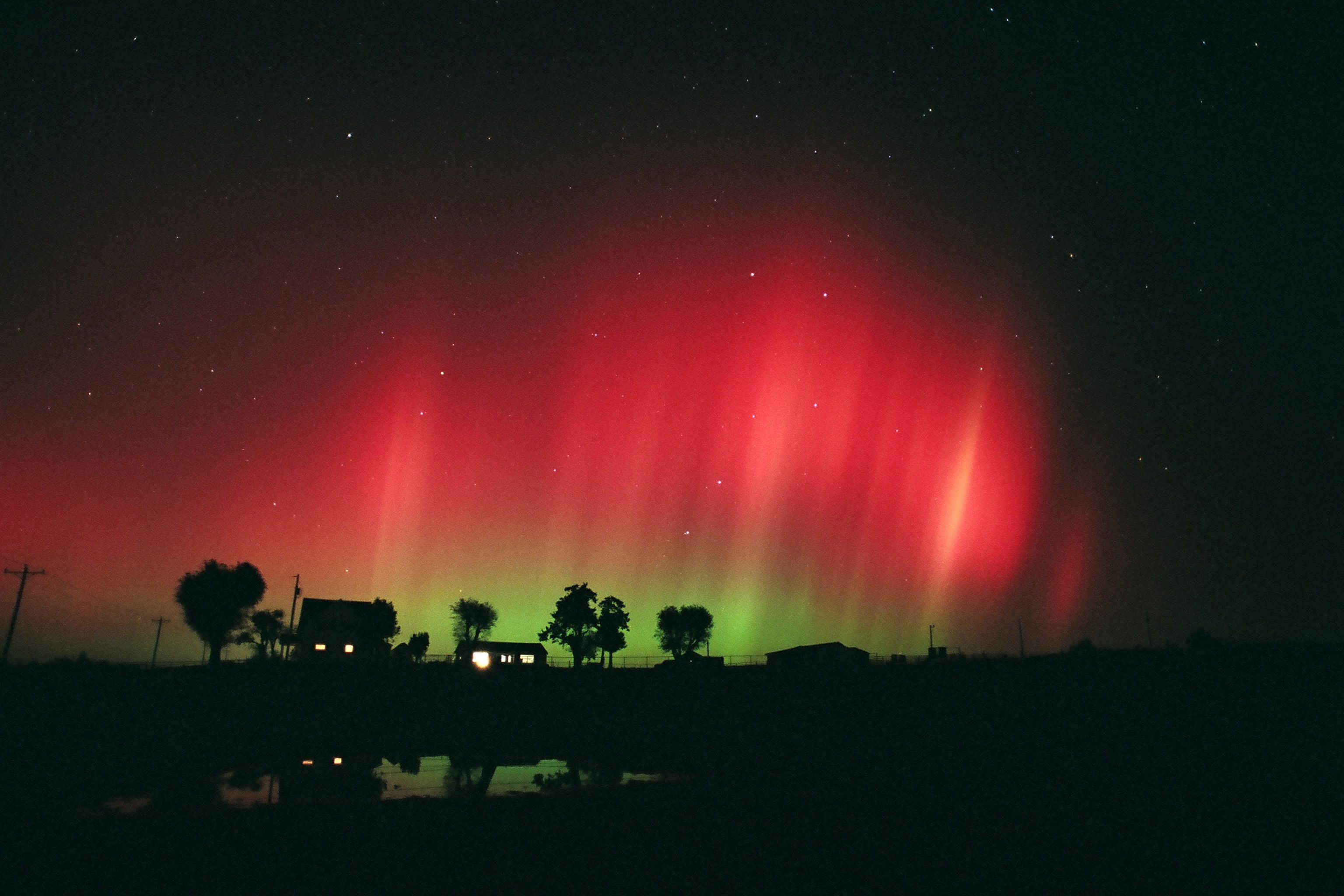


Link: http://www.earthobservatory.nasa.gov/Features/GreenlandBlogKoenig/images/greenland_aurora.jpg
Video:
----------------------------------------------------------------------------------------------------------------------
[1] http://www.nasa.gov/content/northern-lights-viewed-from-the-international-space-station/#.UnrFPxCBmbc

短片是有震撼的感覺,可惜的是速度快了一點,相信在現場看會被吸引得令人迷失。
回覆刪除我都覺得係快了一點,我希望有一天可親眼看看
刪除